Amherst, Virginia
Wine country, college town, mountain gateway. Where the Piedmont meets the Blue Ridge in unhurried beauty.
Where the Piedmont Meets the Blue Ridge
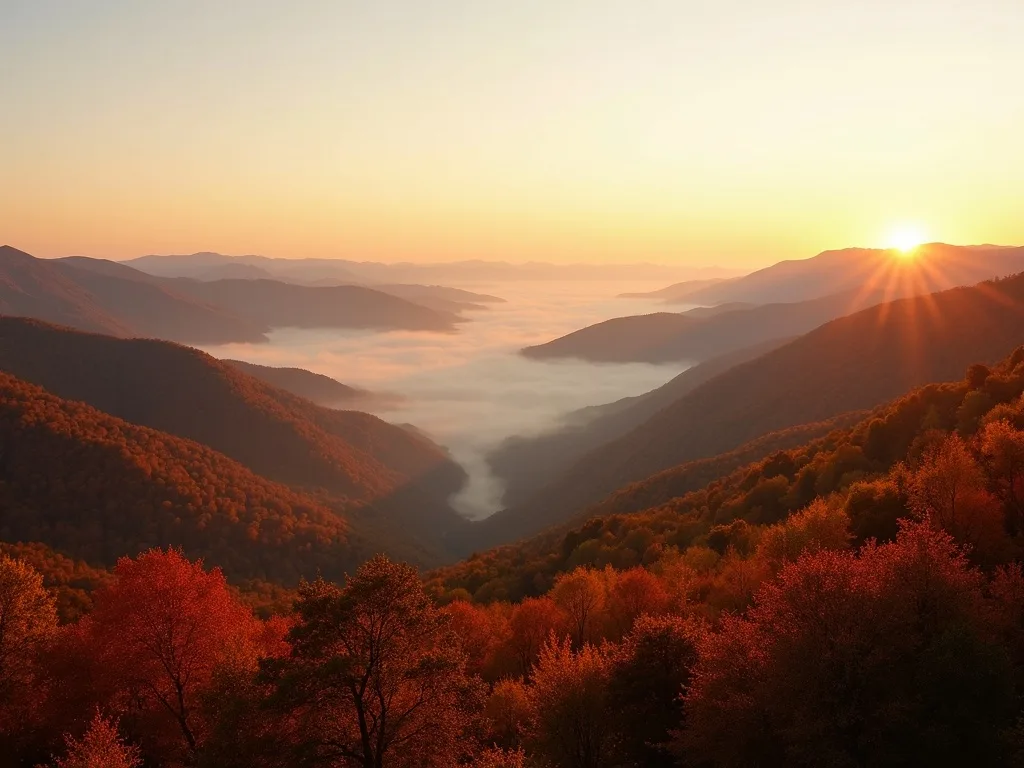
Amherst County stretches north of Lynchburg across some of the most beautiful and least hurried countryside in central Virginia. The town of Amherst itself is small, around 2,200 people. But the county covers a wide sweep of rolling Piedmont farmland that climbs westward into the Blue Ridge foothills. In a single drive the land shifts from open pastures and split-rail fences to forested mountain hollows. The James River forms the county's southern edge, and the George Washington National Forest covers much of its western side. Here the seasons show up vividly: dogwoods blooming along country roads in April, fireflies filling the meadows in June, and the first cool mornings of September carrying the scent of ripening apples from hillside orchards.
Amherst sits about 20 minutes north of Lynchburg. That is close enough for easy trips to the city's restaurants, hospitals, and culture, but far enough to feel like a different world. The pace here is slower on purpose. Traffic is light. The night sky is truly dark. Neighbors wave from pickup trucks on two-lane roads. If you are coming from Northern Virginia, the D.C. suburbs, or another crowded stretch of the East Coast, Amherst offers the kind of rural quiet many people assume is gone this close to a city. And for remote workers who need good internet but not a daily commute, it has become a real option, with a life built around open space, clean air, and the easy community ties that come with a place this size.
Sweet Briar College: A Campus Unlike Any Other
Sweet Briar College anchors Amherst County and stands out as one of the most distinctive small colleges in the South. It opened in 1901 as a women's liberal arts college, and its campus covers 3,250 acres, larger than many state parks. The grounds hold rolling hills, a working farm, miles of riding trails, forest, and a set of Georgian Revival buildings that rank among the most unified college campuses in Virginia. The campus was built to be beautiful, and it delivers in every season. In spring the grounds fill with wildflowers and blooming trees. In fall the oaks and maples around the academic buildings turn into a canopy of color that draws photographers from across the region.
Sweet Briar is known nationally for its equestrian program, which ranks year after year among the top college riding programs in the country. The equestrian center hosts competitions and events all through the school year, drawing riders, families, and horse lovers from across the Mid-Atlantic. Graduation weekend, homecoming, and riding events fill area lodging on a reliable schedule, so the college is a steady source of visitor traffic. It also hosts concerts, lectures, art shows, and community events open to the public, which makes it a cultural resource for the wider region. The campus is worth a visit even if you have no tie to the school. The grounds are open for walking, and the mix of architecture, landscape, and quiet makes it one of the most peaceful spots in the area.
Wine Country and the Virginia Craft Beverage Trail
Amherst County has quietly become one of the more rewarding wine spots in Virginia. Well-drained piedmont soils, warm summers, and elevations that soften the heat suit a range of grape varieties. Several wineries have set up here with tasting rooms that feel more relaxed and less commercial than the busy wine regions around Charlottesville or Northern Virginia. Rebec Vineyards, one of the area's oldest producers, is best known for its yearly Virginia Wine and Garlic Festival. This fall event draws thousands of visitors and has become one of the state's signature food-and-drink festivals. It pairs local and regional wines with garlic-themed dishes, live music, and craft vendors in a setting that feels distinctly Virginian.
Lazy Days Winery lives up to its name with a laid-back tasting on a property that has mountain views, outdoor seating, and a pace that invites you to stay a while. Several other small-batch producers, cideries, and craft beverage makers work in the county, and new ones keep opening. This growing cluster has made Amherst County a natural stop on any Virginia wine tour, especially for people who would rather find small operations than tour big commercial wineries. A morning hike in the national forest followed by an afternoon tasting on a hillside patio is one of the defining Amherst County days.
Mountain Access: Apple Orchard Falls and the National Forest
The western edge of Amherst County reaches into the George Washington National Forest, which puts some of the finest hiking and backcountry in Virginia right at hand. Apple Orchard Falls, a roughly 200-foot cascade, is one of the tallest waterfalls in the state and the crown jewel of the area's trails. The hike to it is moderately hard. It runs through hardwood forest, crosses small streams, and drops through a set of switchbacks before it reaches the falls, which spill over rock ledges in a narrow mountain cove. The trail is best in spring, when snowmelt and rain swell the cascade, and in fall, when the forest around it blazes with color.
The national forest has more trails for hiking, mountain biking, and horseback riding, from gentle ridgeline walks to steep, rocky drops into mountain hollows. Hunting and fishing are popular by season, and the forest's streams hold native brook trout that draw fly fishers. If you want a ski or snowboard trip, Wintergreen Resort is about 45 minutes northeast of Amherst, with downhill skiing, snowtubing, a spa, and a golf course across its mountain and valley grounds. Wintergreen also runs summer concerts, nature programs, and outdoor adventures, which make it a year-round stop.
Amherst County Schools serve local families with small class sizes and strong community support. The cost of living stays well below the Lynchburg city limits, and housing runs from historic farmhouses on acreage to newer homes in small developments closer to town. For visitors, Amherst is a base that is quieter and more rural than Lynchburg but still within easy reach of everything the region offers. For a longer stay or a move, it is one of the best values in Virginia's Blue Ridge.